


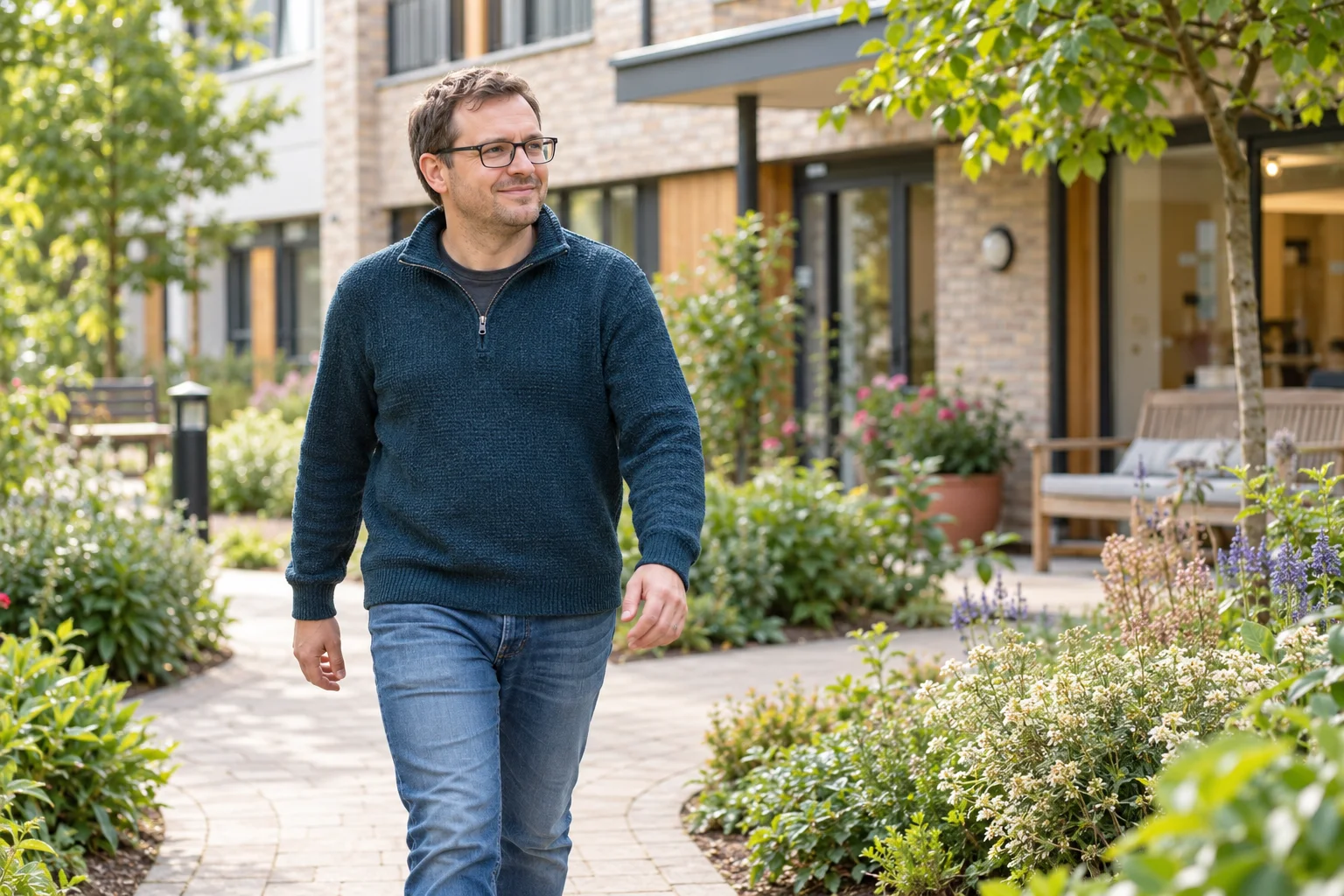
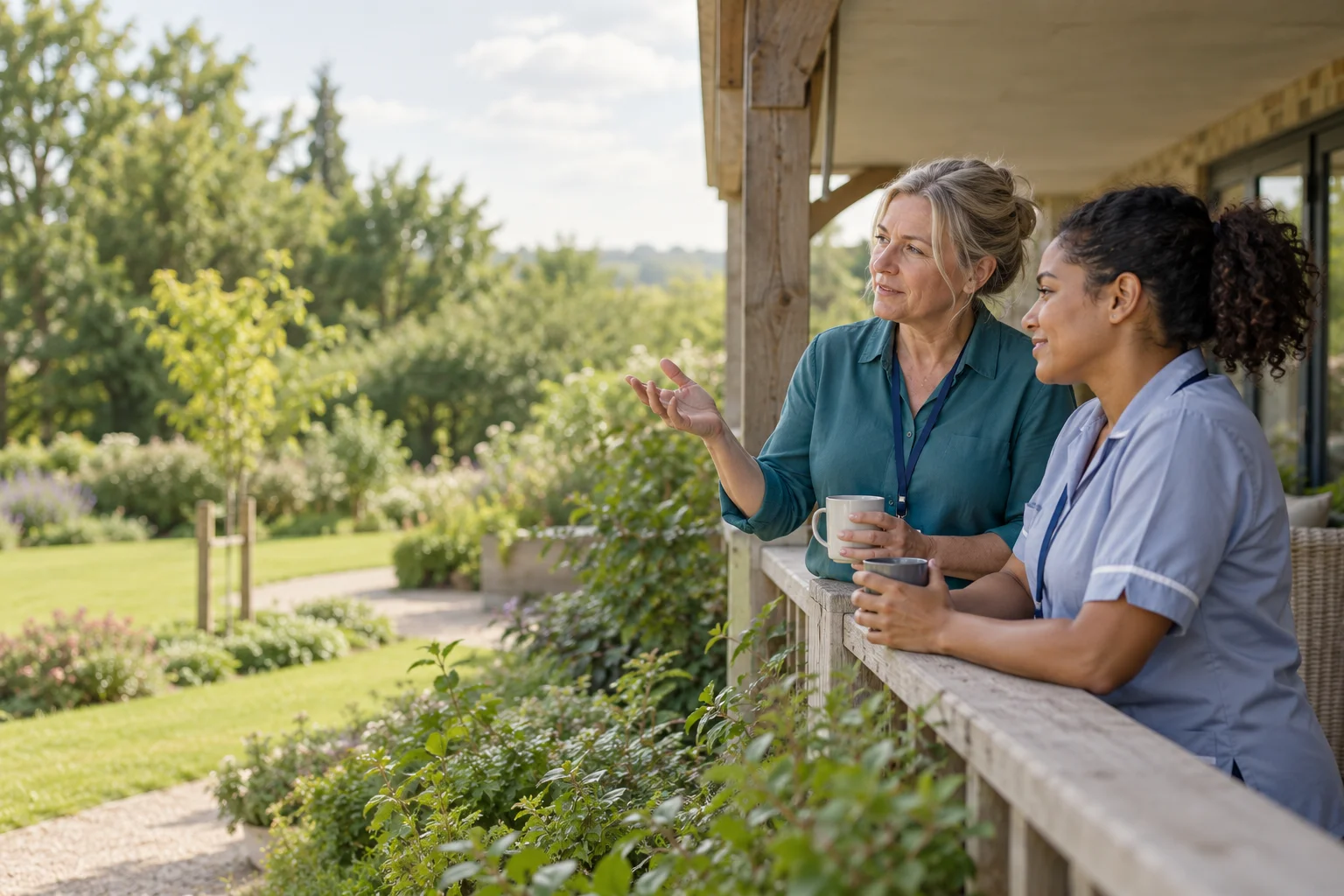
An ordinary walk, with support within reach.
Use GPS location and agreed safe areas to support independent movement and guide a response when needed.


Guardian for special care
The same floor coverage as a care home, plus location outside it, and logs written from what the sensors actually saw.
Every sensor event is written into the care log as it happens, so nobody reconstructs the night from memory at 07:00.
When a call comes in you see who, where, and who is closest, on the actual floor plan.
A door opens at 03:00 and the right person knows in seconds, instead of at the morning round.
Bed mats, wristbands and radar catch falls and immobility, with a confirmation window that keeps false alarms down.
One button reaches whoever is nearest, with the room already on their screen.
Hoists, pumps and chairs stop disappearing. Every tagged asset has a last-seen room and a time.
Occupancy and bed exit with no camera and nothing the resident has to wear or remember.
Movement and presence in bathrooms and private spaces, where a camera is never an option.
The ordinary rhythm of a room, so a change in pattern surfaces before it becomes an incident.
Location outside the building, on the same platform as everything inside it.
Risk scoring and trends across people, so the picture is not only what happened last night.
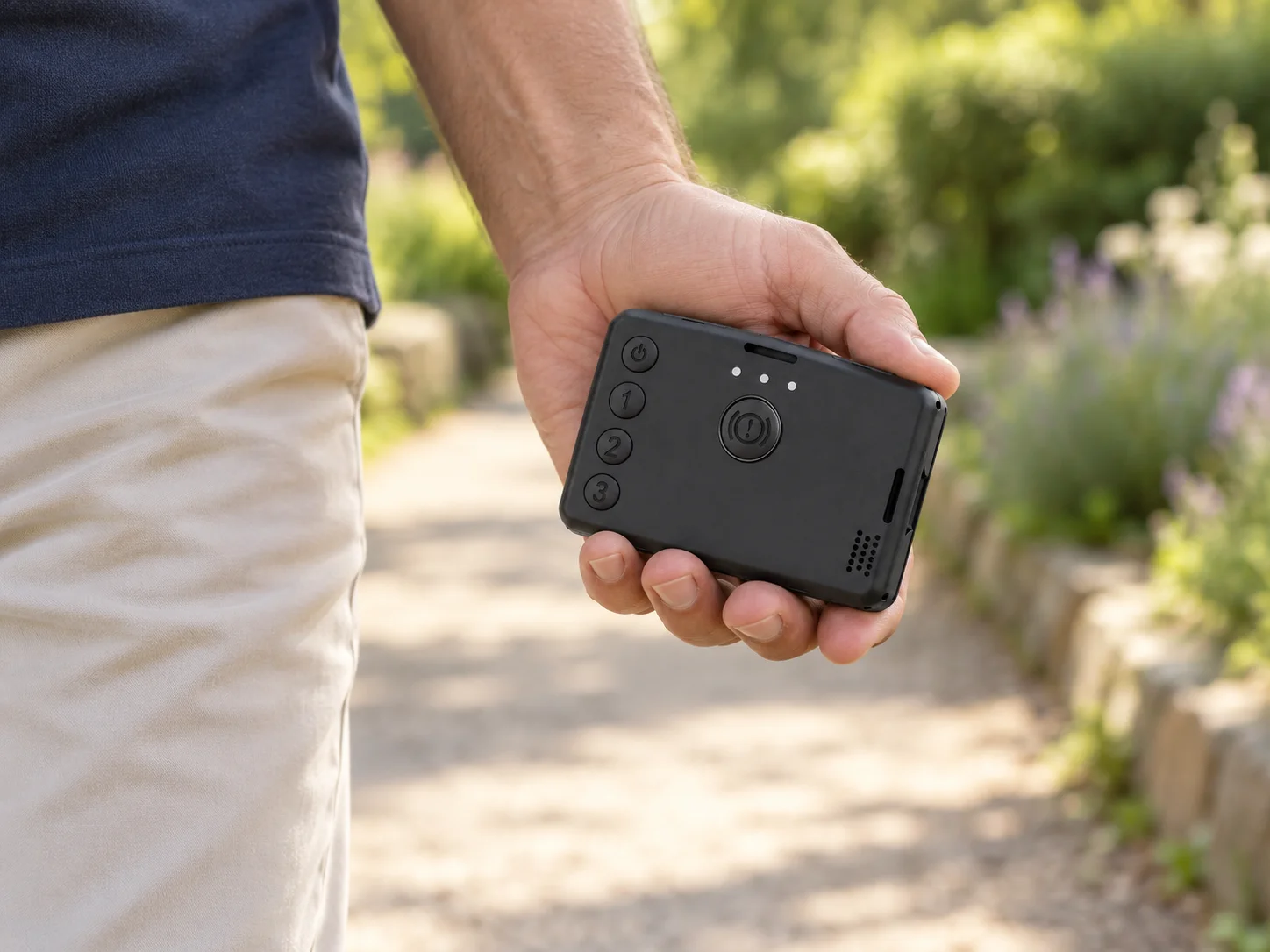
Hoolekandeteenused uses Guardian GPS devices in special care to support safety beyond the building. Staff can see the latest known location and respond when a resident leaves a safe area.
Use GPS location and agreed safe areas to support independent movement and guide a response when needed.
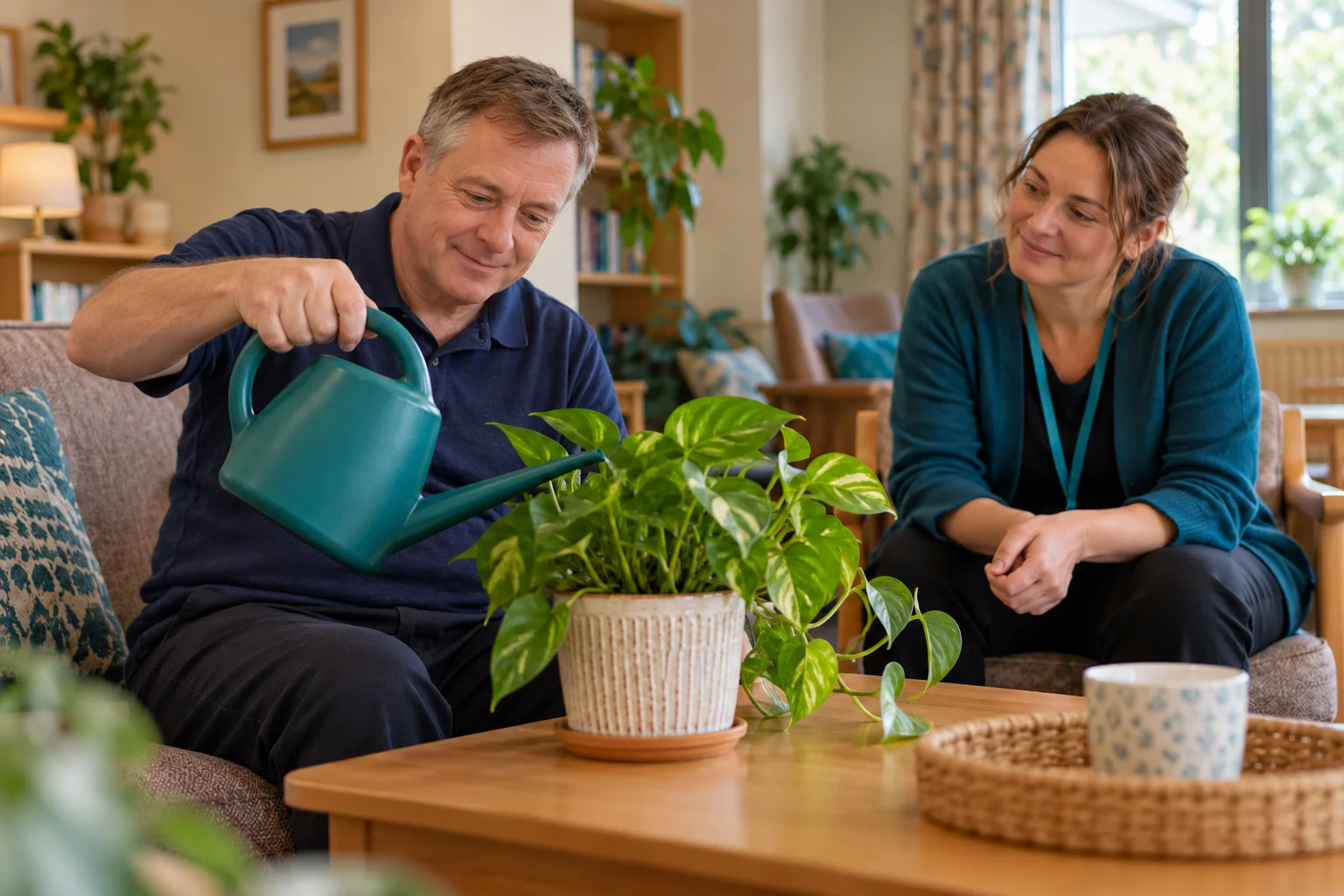
Look at activity and exit events in the context of each person's routines. Use that context to decide what support makes sense.
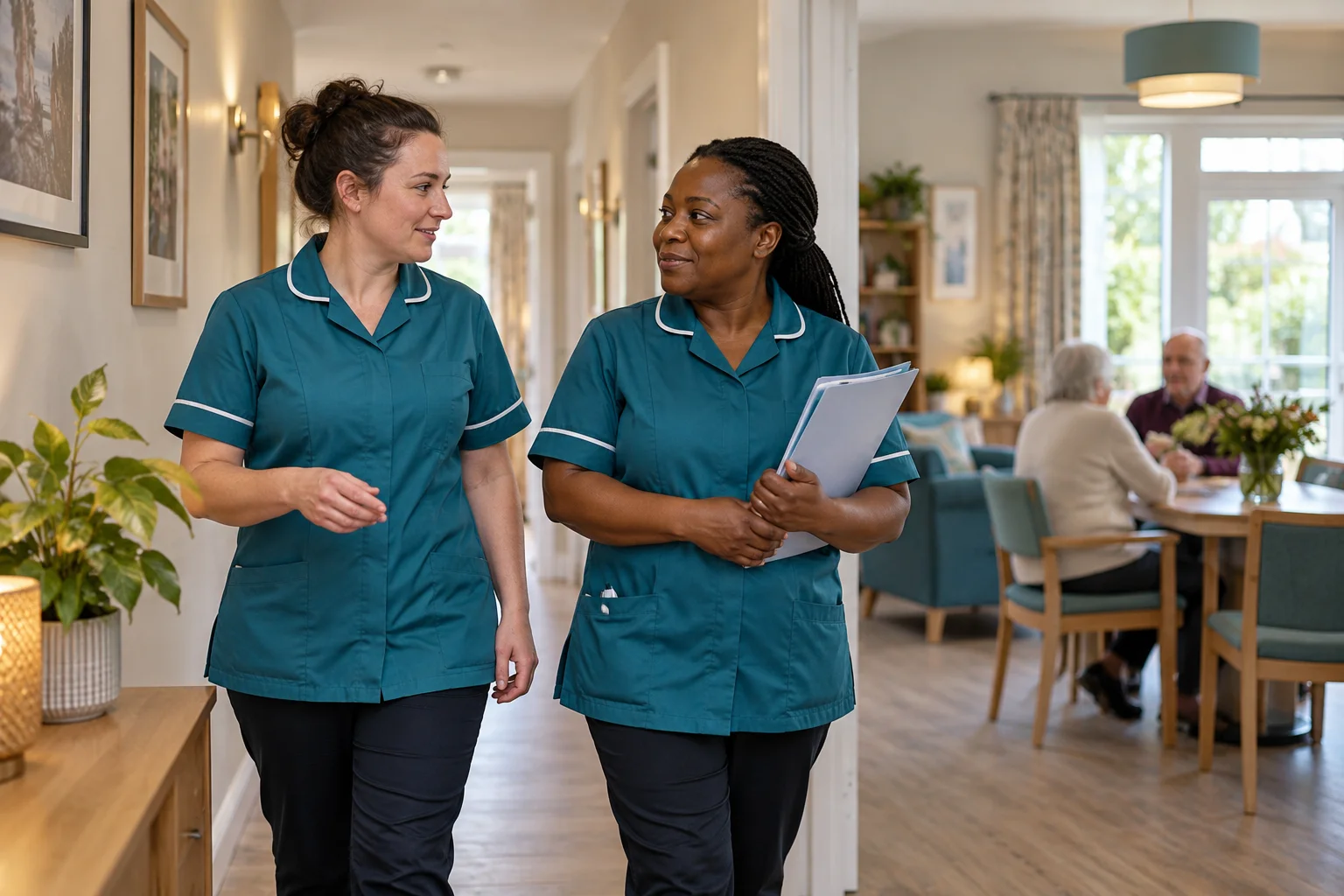
Give staff a way to call for assistance and help colleagues locate the request within the care environment.
Start with one unit or a small resident group. Agree on the support needs, safe areas and staff response you want to evaluate together.
Plan a special-care pilot